 0
0
 0
0
Post Disclaimer
The information on this website is designed to offer self-care tips and recommendations based on evidence-based research and literature from professionals in each field. It is not intended to diagnose or treat any specific medical condition. Please consult with your healthcare provider before making any health-related decisions.
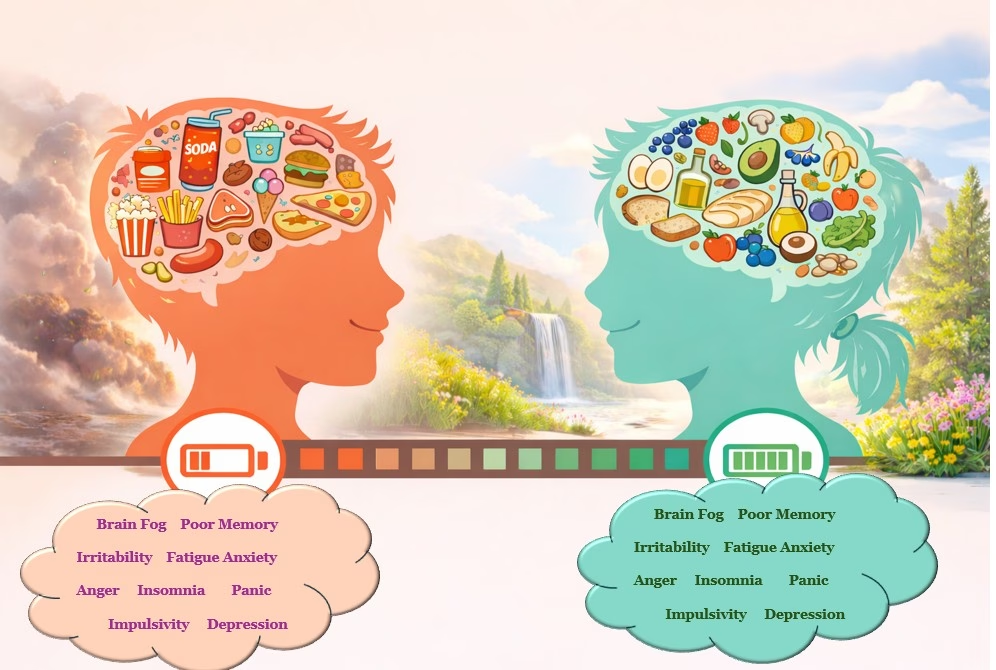
Most anxiety, brain fog, and sleep problems aren’t just mental — they’re your brain asking for the right fuel.
What if some of the intense emotions you feel every day—like anxiety, stress, or feeling overwhelmed—could calm down faster than you think? There’s a simple and powerful way to help your brain feel more in control, and it starts with something most people overlook: how you fuel your body.
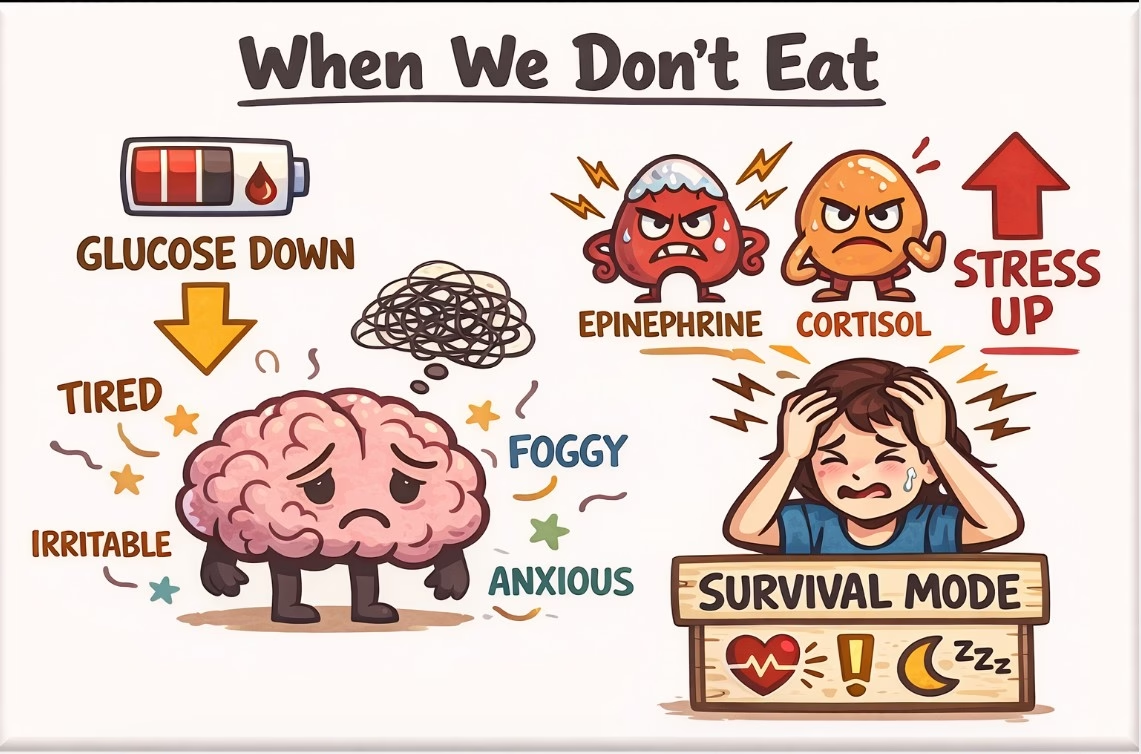
The fix is simpler than most people think. Eating three balanced meals a day helps your brain and body stay steady by giving it what it needs: about 15–30 grams of protein (to build brain messengers), 30–45 grams of carbohydrates (for energy), 10–20 grams of healthy fats (to protect brain cells), 7–10 grams of fiber (to keep blood sugar stable and support gut health), along with enough water.
These nutrients work together to build neurotransmitters—your brain’s chemical messengers—and when your brain doesn’t have what it needs, it can lead to problems like trouble sleeping, more worry, sadness, low energy, and difficulty focusing. To make this easier to understand, below is a simple metaphor that compares your brain to a car engine and shows how the right fuel helps everything run smoothly.
Protein: The Vehicle Engine Parts and Wiring
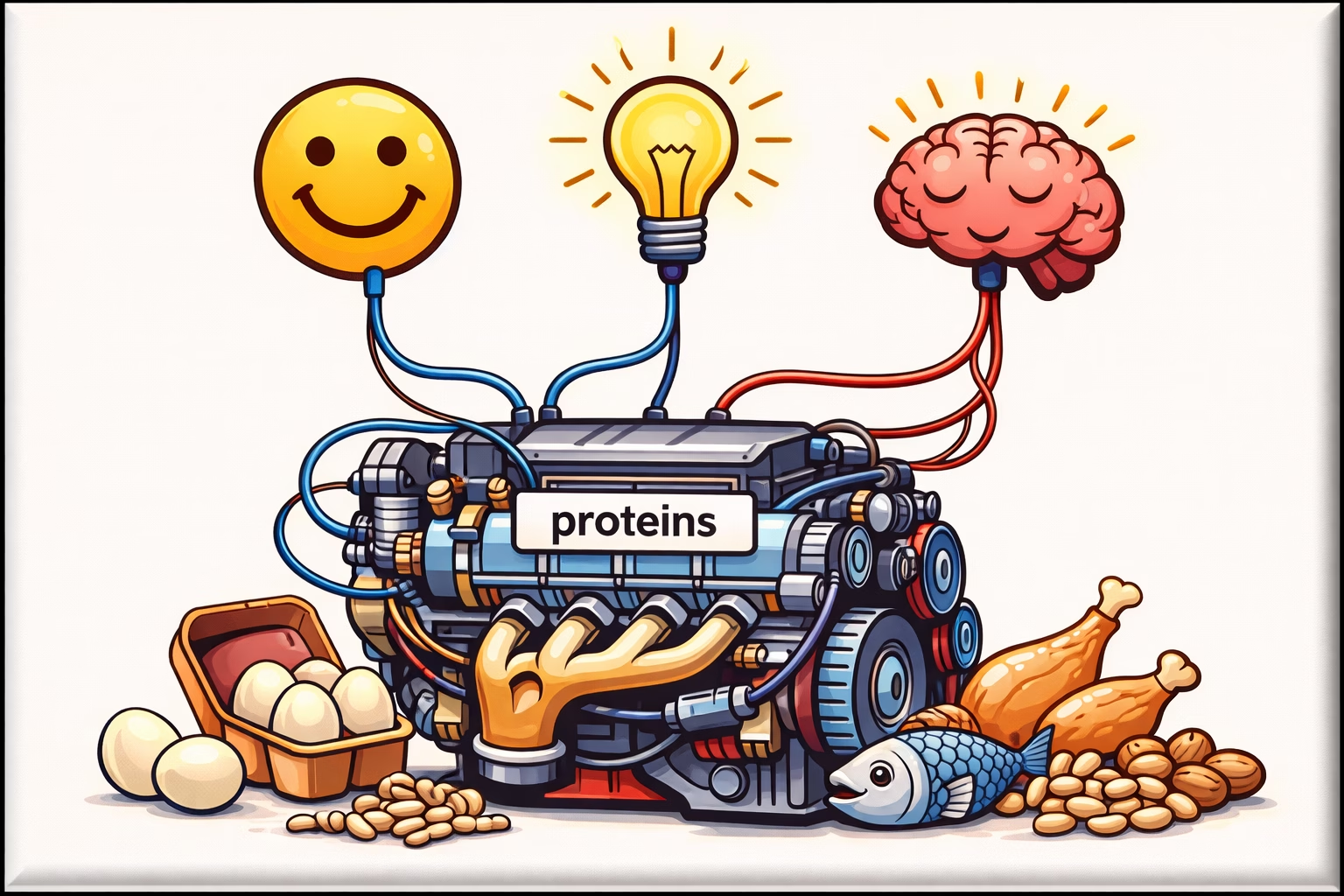
Protein is like the vehicle’s engine parts and wiring. Protein breaks down into amino acids, which are used to build the brain’s messengers called neurotransmitters such as dopamine, serotonin, GABA, and many more. These messengers help you feel calmer, more focused, motivated, and emotionally balanced. When you don’t eat enough protein, your brain does not have enough parts to make these messengers. Protein also depends on carbohydrates to support its function.
Carbohydrates: The Gasoline
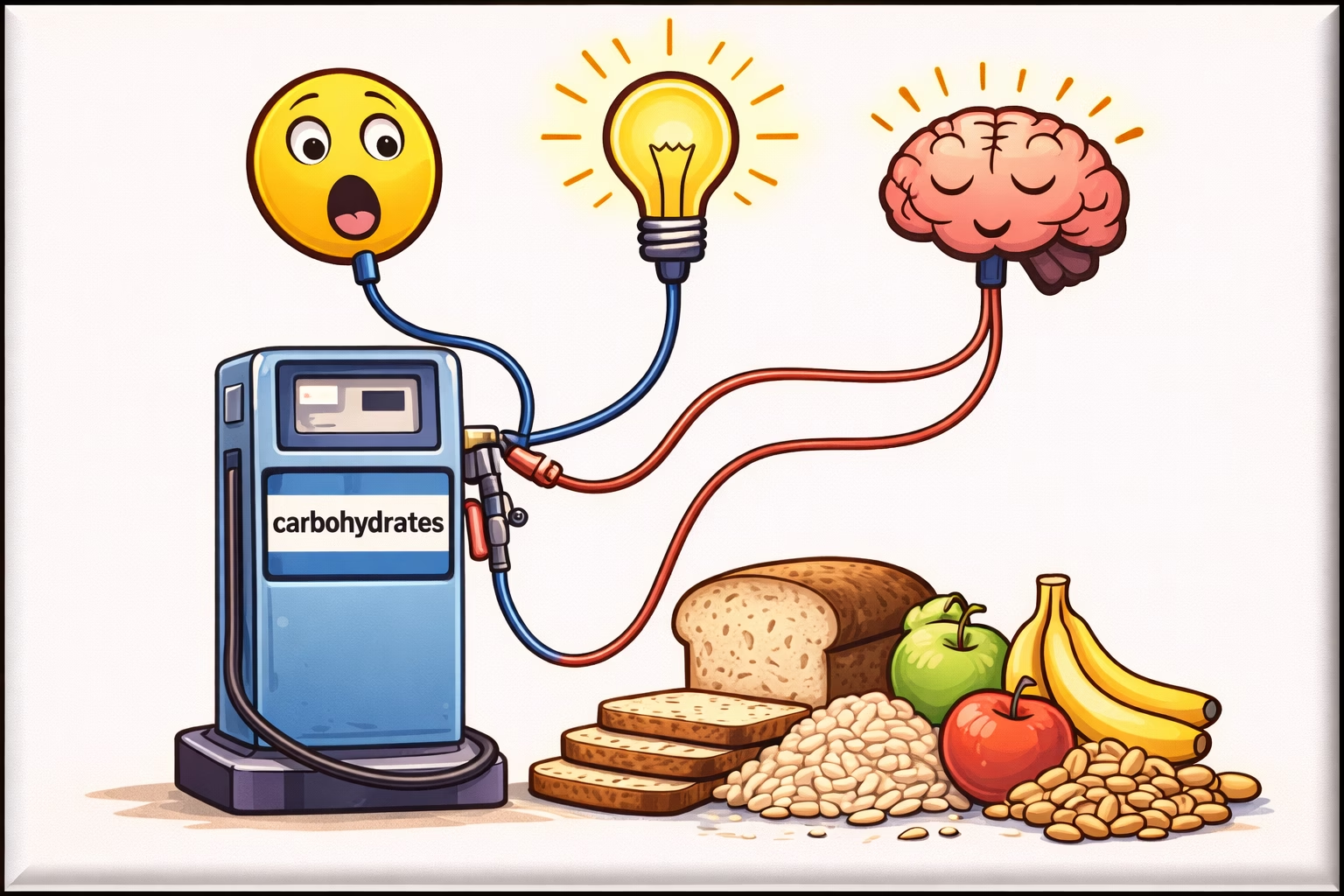
Carbohydrates are the gasoline for the brain. Your brain runs mostly on sugar (glucose) from carbohydrates, but it needs it in the right amount and form. Healthy carbs give your brain energy to think clearly, control emotions, and stay alert without feeling jittery. Carbs also help the brain’s calming messengers function more effectively, supporting mood and sleep. When you don’t get enough healthy carbs, your brain runs low on fuel. When this happens, your body releases stress chemicals to keep you going. This can cause anxiety, irritability, racing thoughts, and waking up during the night. Eating balanced carbs helps keep energy steady and helps your brain feel safe enough to relax.
Healthy Fats: The Oil and Protection
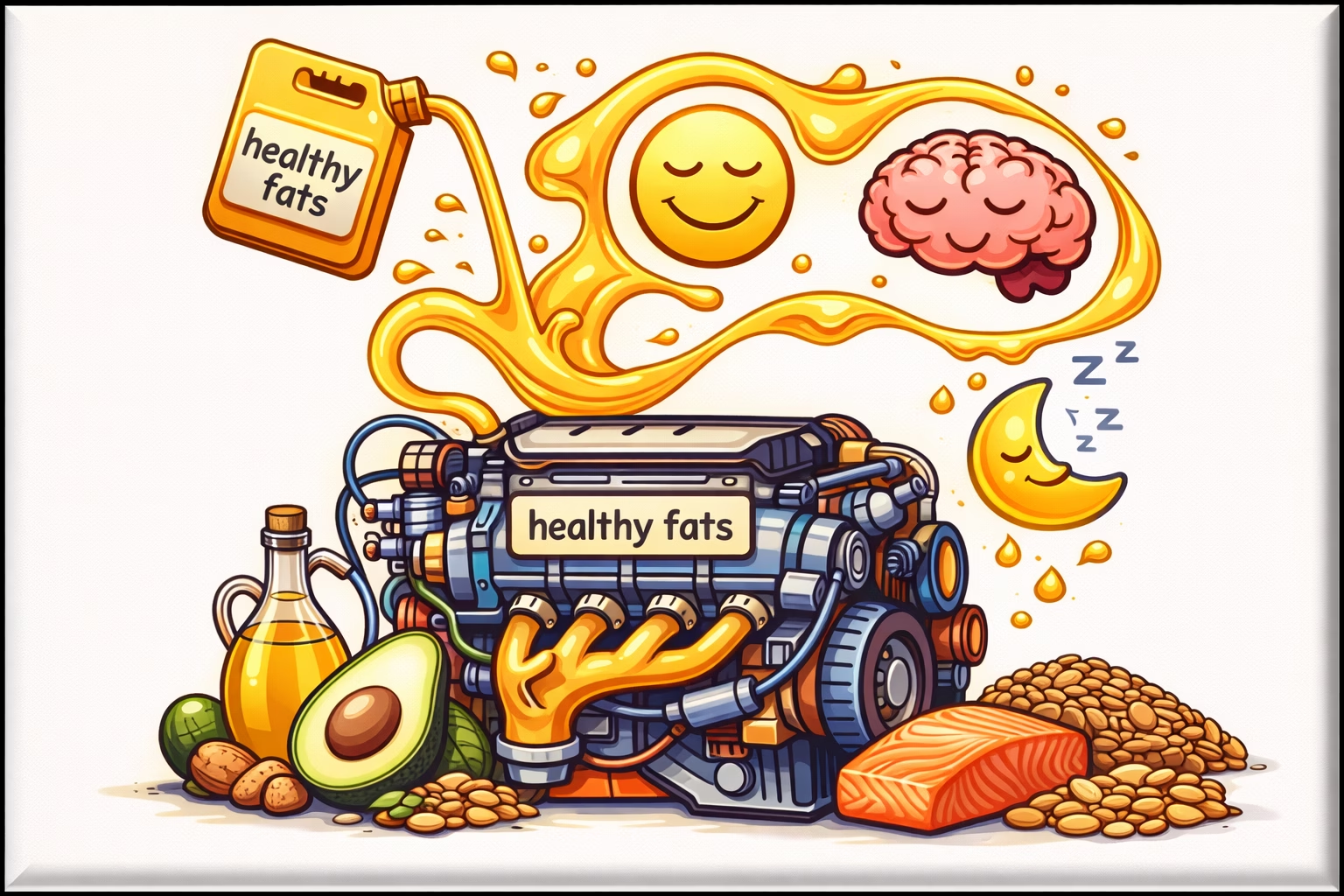
Healthy fats are like the oil and insulation that protect the engine. Your brain is made largely of fat, and healthy fats help brain signals move smoothly. They also protect the brain from stress and inflammation. Without enough healthy fats, brain signals do not travel as well, emotions feel sharper, stress builds faster, and sleep becomes lighter and more broken. Without healthy fat, the brain also struggles to build critical messengers.
Fiber: Cruise Control and the Fuel Filter
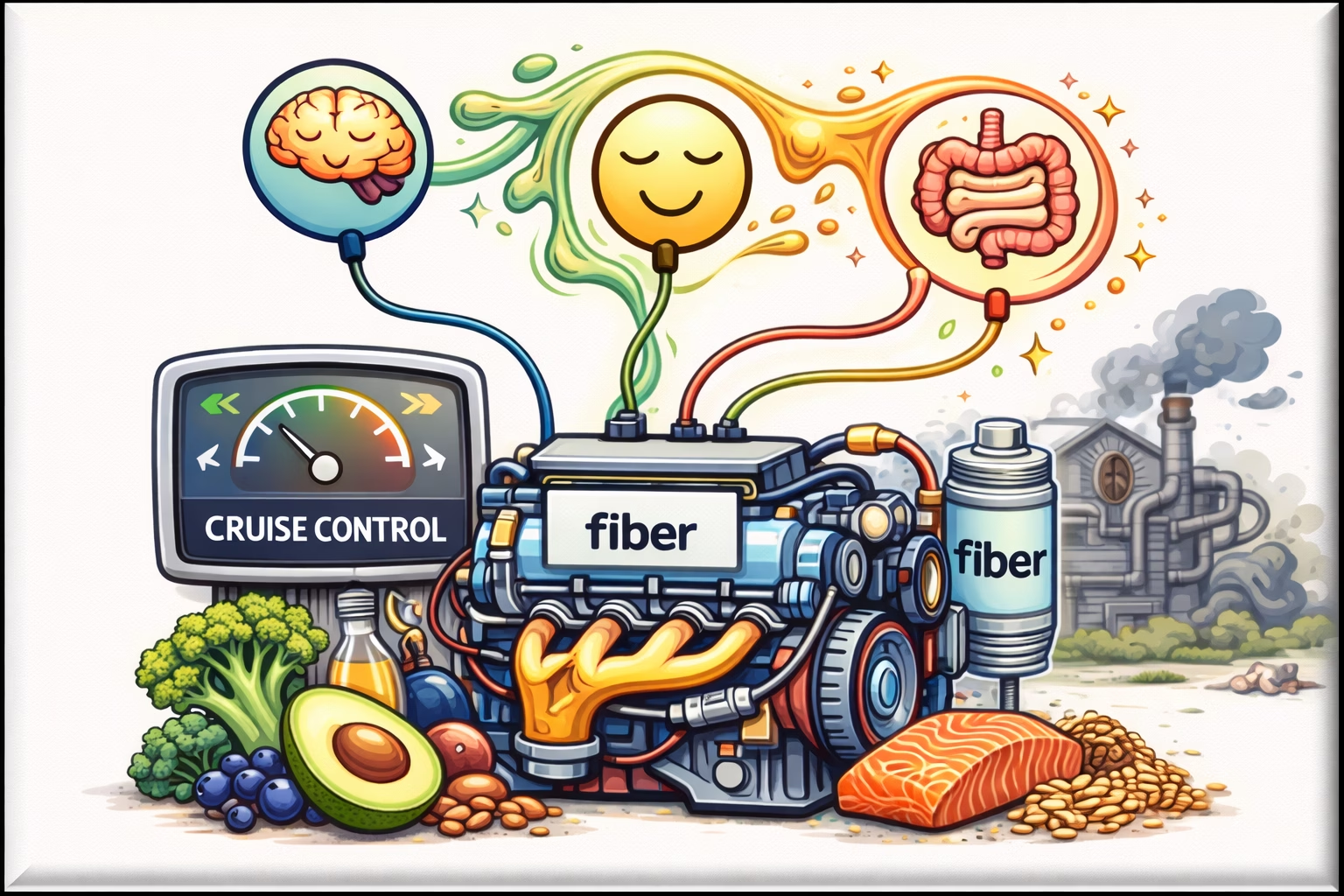
Fiber works like two important systems in a vehicle. First, fiber acts like cruise control, helping keep energy steady. It slows how fast fuel (glucose) enters the engine, preventing sudden spikes and crashes that force the system to overcorrect with stress chemicals. This steady pacing helps the brain stay calmer during the day and allows sleep chemicals to rise naturally at night.
Second, fiber acts like a fuel filter and emissions system. In the body, fiber feeds the healthy bacteria in the gut. These bacteria help break food down properly and prevent harmful byproducts from building up. When the gut is supported with fiber, it sends cleaner, calmer signals to the brain through nerves and hormones. When fiber is low and sugar or processed foods are high, it is like running dirty fuel through a clogged filter.
Water: The Radiator Fluid
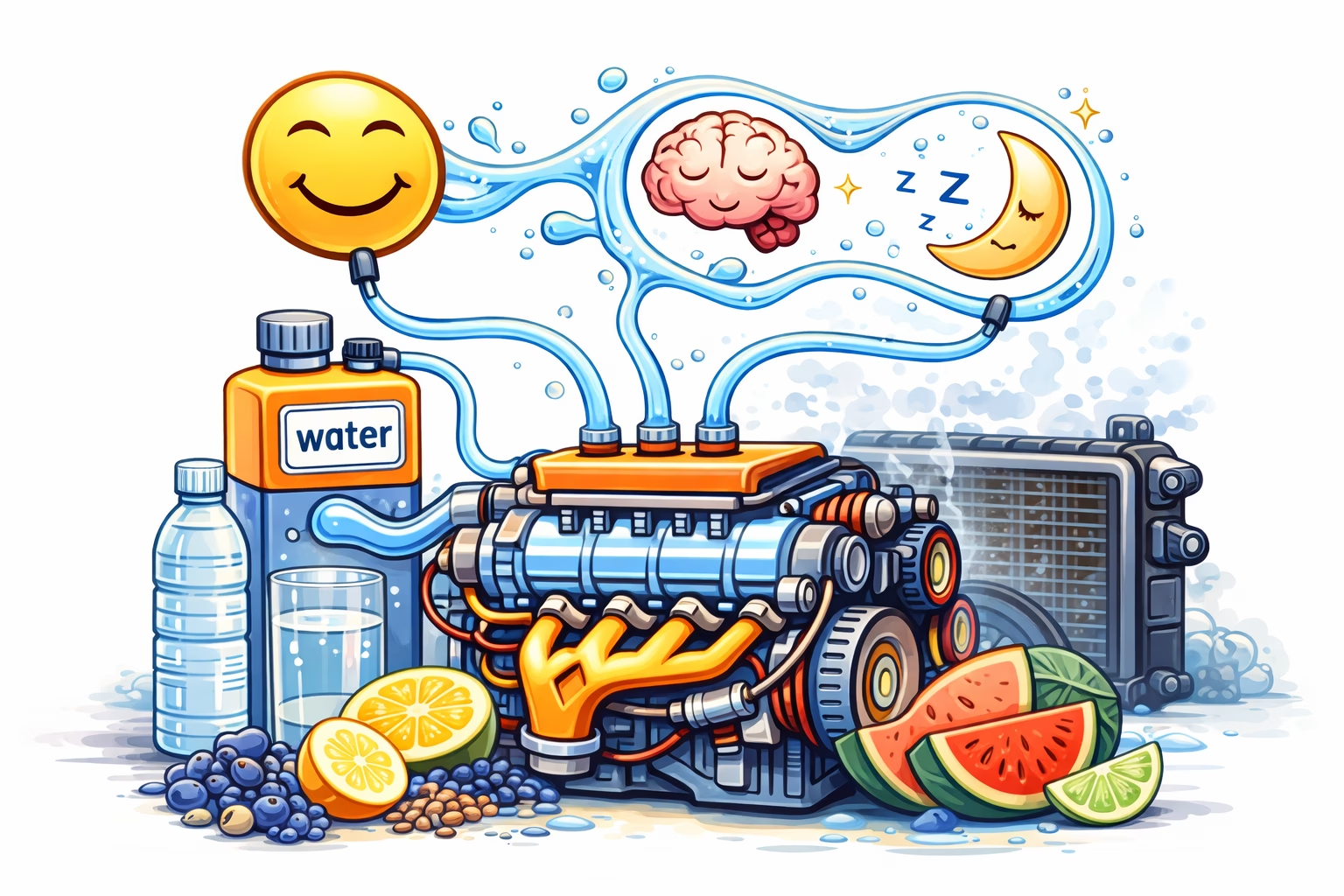
Water is the brain’s cooling system, like radiator fluid in a car. The brain needs water to stay cool, clear out waste, and deliver nutrients. When you are even a little dehydrated, stress chemicals rise, thinking becomes harder, and emotions feel heavier. A dehydrated brain overheats more easily.
Drinking enough water helps the brain stay calm, improves focus, and makes it easier to handle stress and fall asleep. Soda makes dehydration worse because the sugar and caffeine pull water out of your cells instead of hydrating them. Low-sugar electrolytes can help replace minerals, but they should be balanced with mostly water. For every ounce of electrolyte drink, balance it with about three ounces of water to help keep your brain calm, focused, and able to handle stress and sleep better.
What Happens When the Engine Overheats?
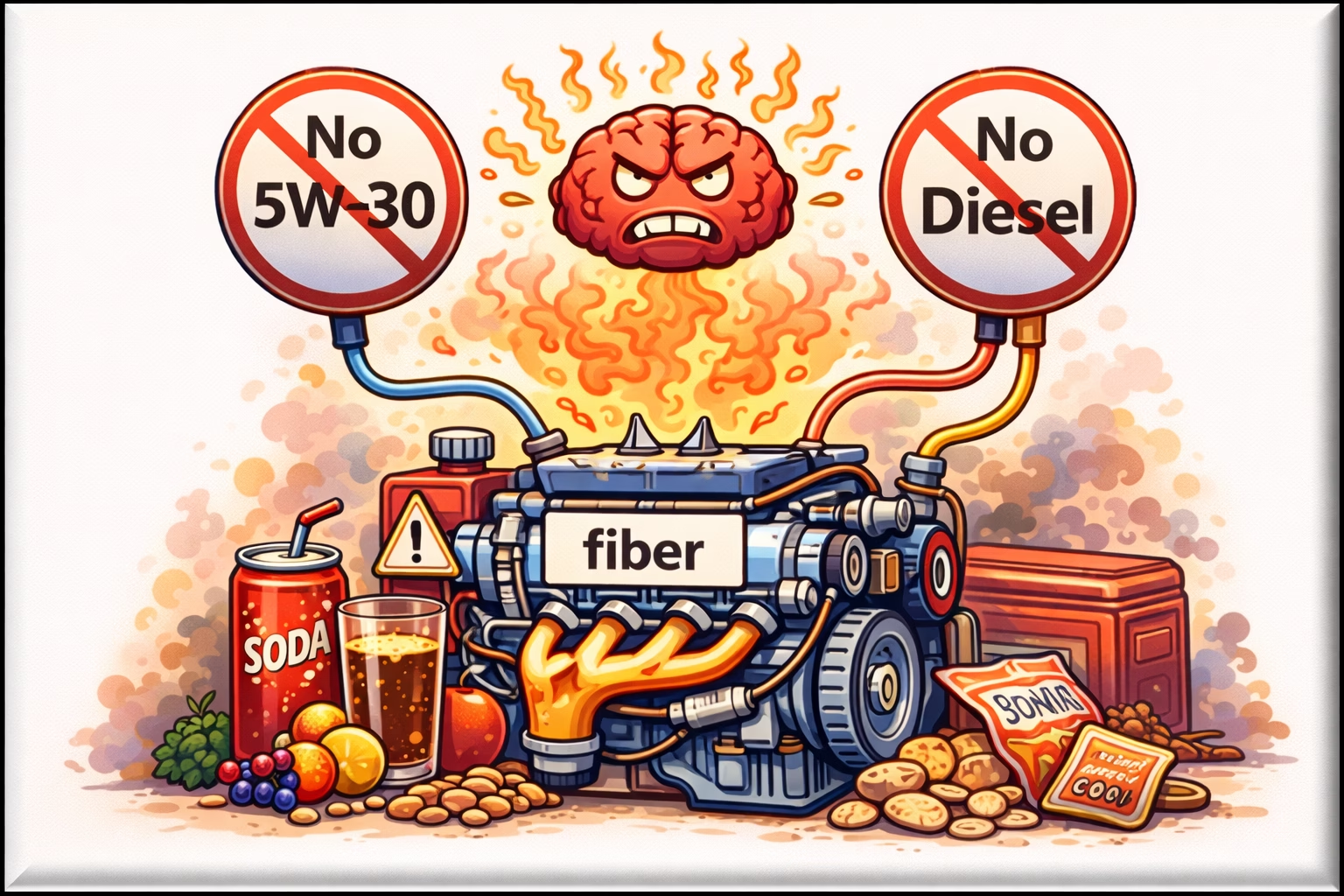
When a person eats a lot of sugary foods, soda, ultra-processed foods, and unhealthy fats, it is like putting the wrong fuel or engine oil into the vehicle. These foods can increase inflammation in the brain, which makes it harder to cope, harder to control emotions, and harder to sleep well. An inflamed brain reacts faster, feels overwhelmed more easily, and has trouble calming down. This does not mean someone is weak—it means the brain is overheating.
Not sure what to eat while ensuring your meals have all the brain fuel you need? Below are some example nutritional options.
Menu Options and Meal Ideas
The meals below are designed to support your brain and mental health by giving it steady energy (carbohydrates), building blocks for brain messengers (protein), healthy fats to support brain signals, and fiber to keep your energy stable and your nervous system calm.
Breakfast (steady brain fuel to start the day)
Lunch (prevent afternoon crashes)
Dinner (calming, restorative fuel)