 1
1
 0
0
Post Disclaimer
DISCLAIMER
The information on this website is intended to provide general education only. It is not a substitute for individualized medical advice, and applying the self-care concepts described is a personal choice. The science and strategies on this website are drawn from peer-reviewed research and clinical practice guidelines. However, before making any changes to your medication, starting new supplements, changing your diet, or managing a health condition, talk with a qualified healthcare provider about your specific situation.

Most anxiety, brain fog, and sleep problems aren’t just mental — they’re your brain asking for the right fuel.
In this article, you will learn not only why nutrition is key for mental health, but also how to address the problem when you do not want to eat breakfast because you feel sick. At the end, you will also find a list of simple menu ideas to help you fuel your brain and body.
What if some of the intense emotions you feel every day—like anxiety, stress, or feeling overwhelmed—could calm down faster than you think? There’s a simple and powerful way to help your brain feel more in control, and it starts with something most people overlook: how you fuel your body.
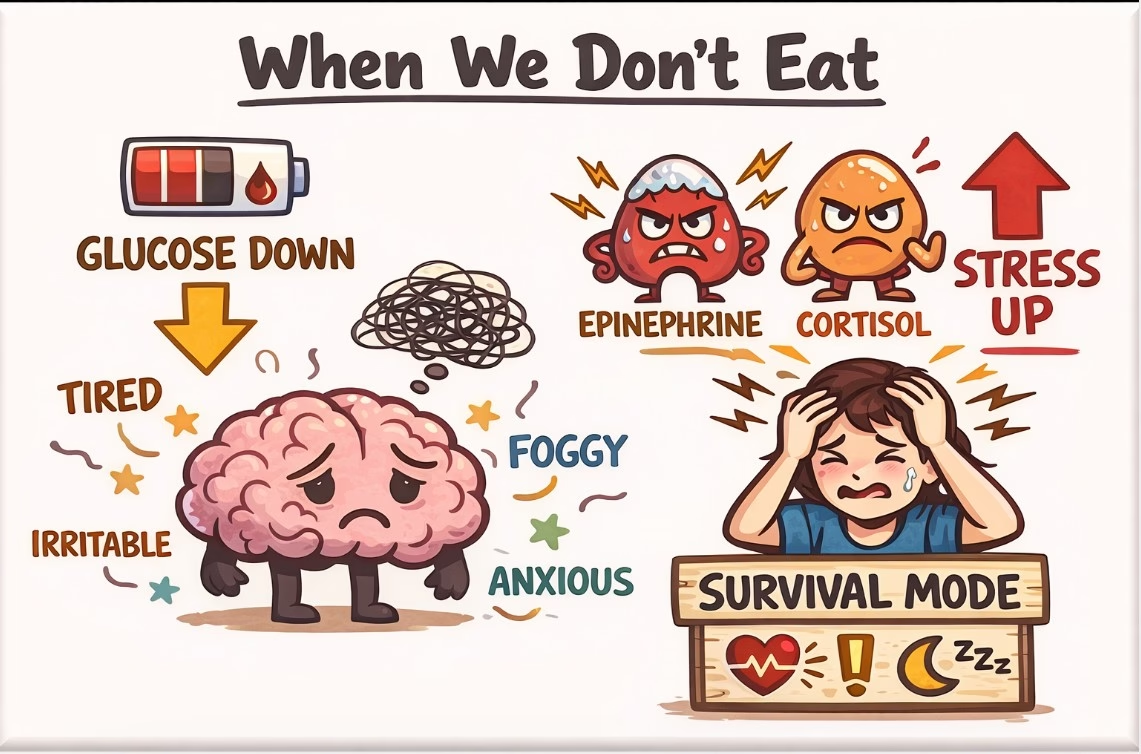
The fix is simpler than most people think. Eating three balanced meals a day helps your brain and body stay steady by giving it what it needs: about 15–30 grams of protein, 30–45 grams of carbohydrates, 10–20 grams of healthy fats, 7–10 grams of fiber, along with enough water.
These nutrients work together to build neurotransmitters—your brain’s chemical messengers—and when your brain doesn’t have what it needs, it can lead to problems like trouble sleeping, more worry, sadness, low energy, and difficulty focusing.
Protein: The Vehicle Engine Parts and Wiring
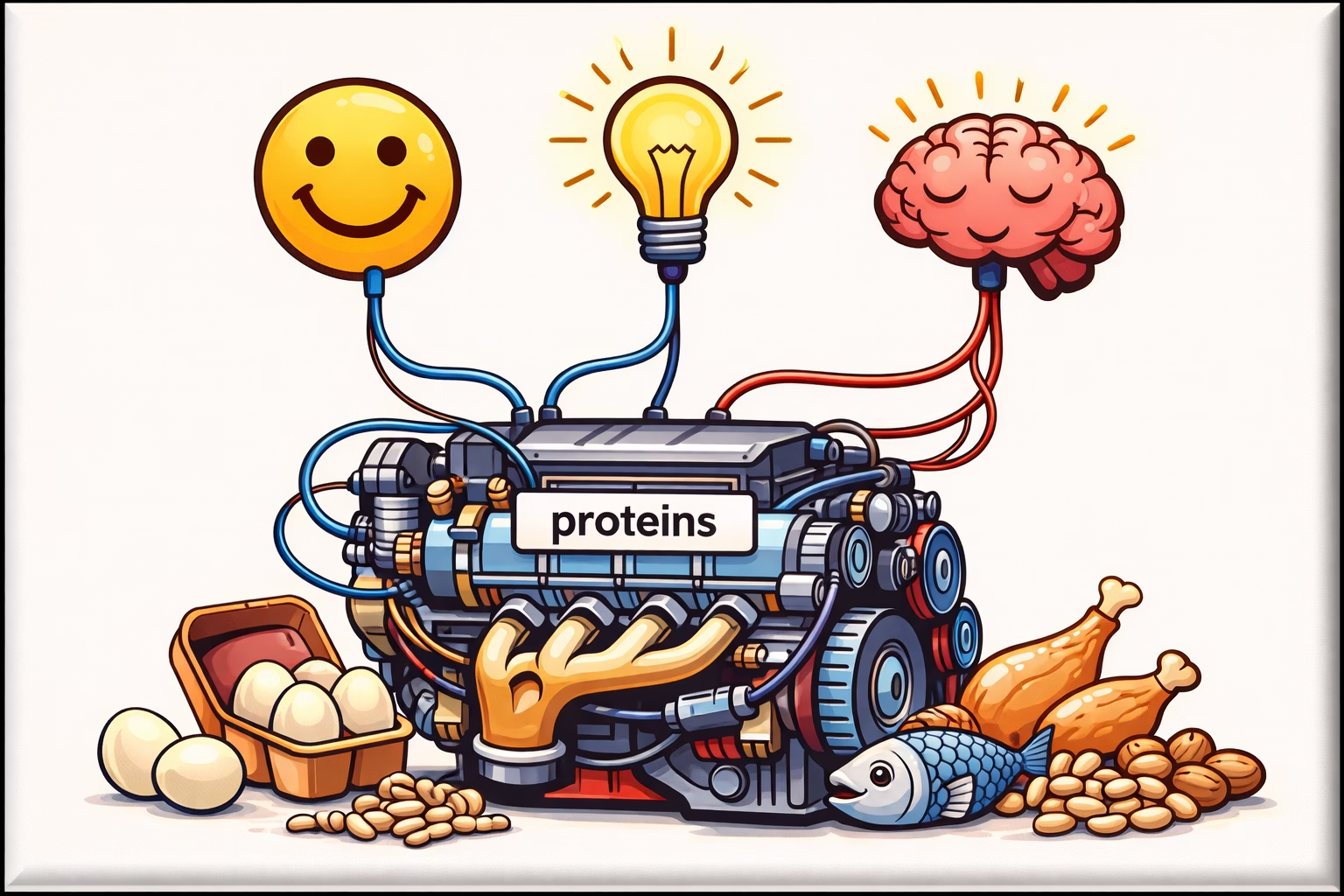
Protein is like the vehicle’s engine parts and wiring. Protein breaks down into amino acids, which are used to build the brain’s messengers called neurotransmitters such as dopamine, serotonin, GABA, and many more. These messengers help you feel calmer, more focused, motivated, and emotionally balanced.
Carbohydrates: The Gasoline
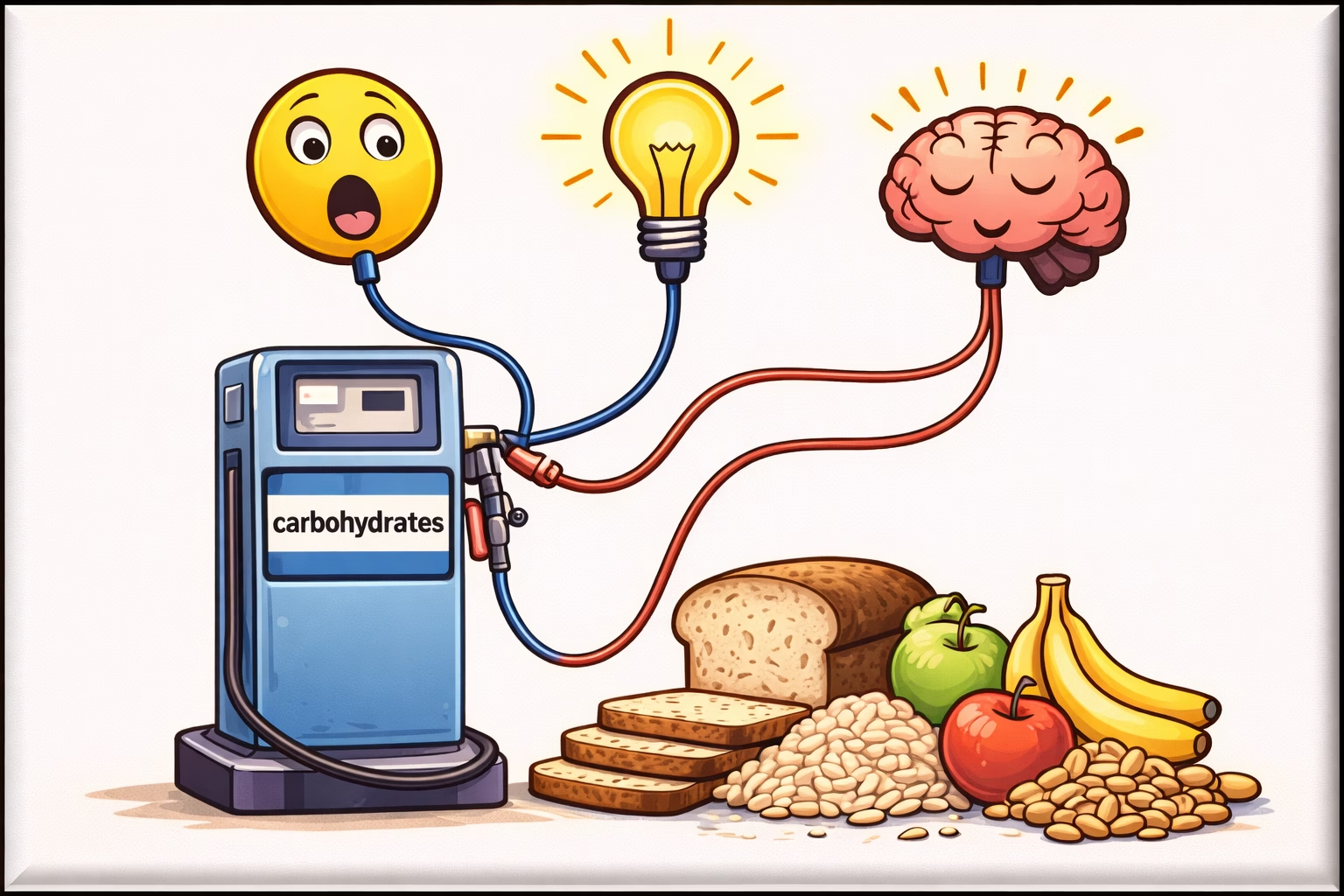
Carbohydrates are the gasoline for the brain. Your brain runs mostly on sugar, called glucose, from carbohydrates. Healthy carbs give your brain energy to think clearly, control emotions, and stay alert without feeling jittery.
Healthy Fats: The Oil and Protection
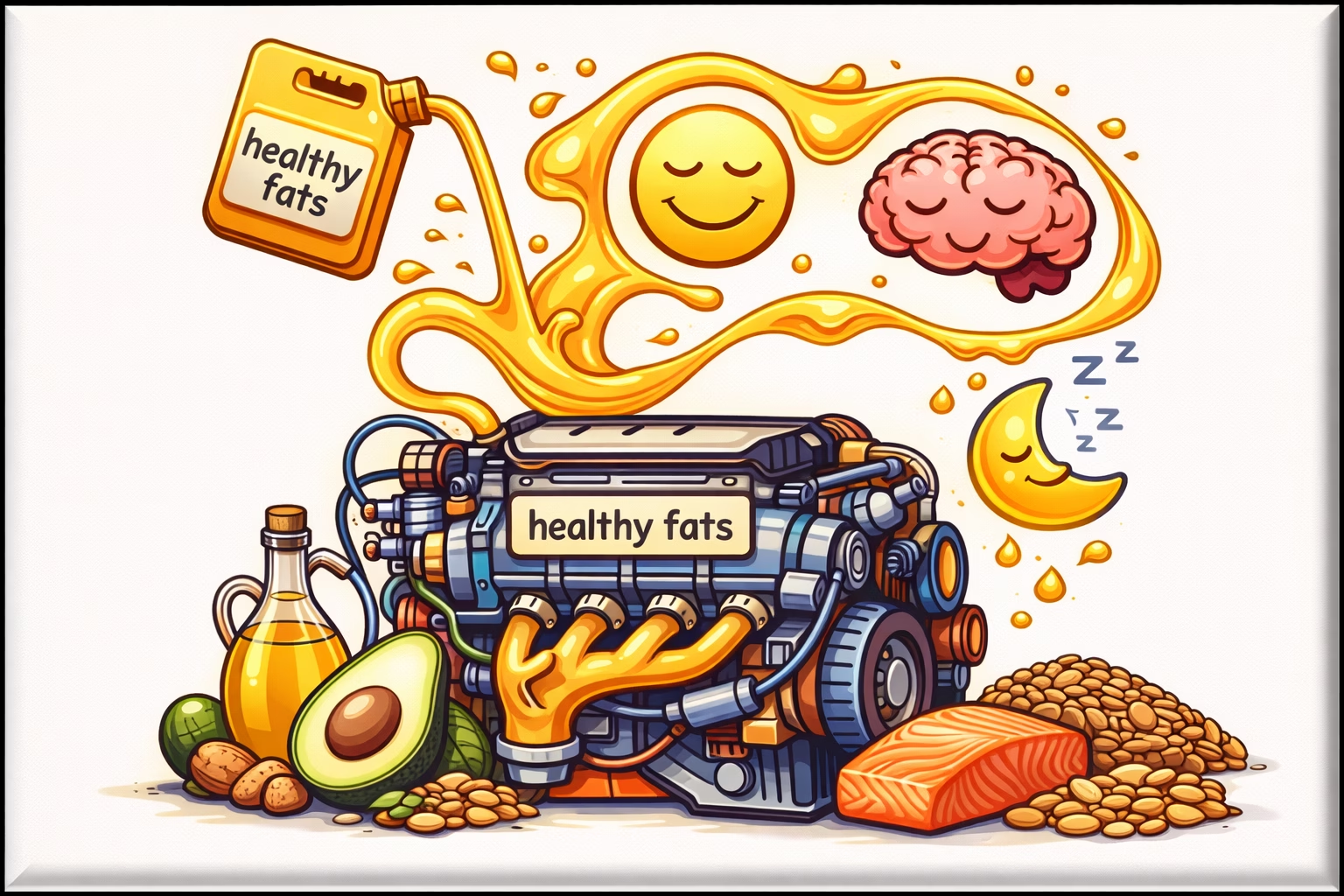
Healthy fats are like the oil and insulation that protect the engine. Your brain is made largely of fat, and healthy fats help brain signals move smoothly. They also protect the brain from stress and inflammation.
Fiber: Cruise Control and the Fuel Filter
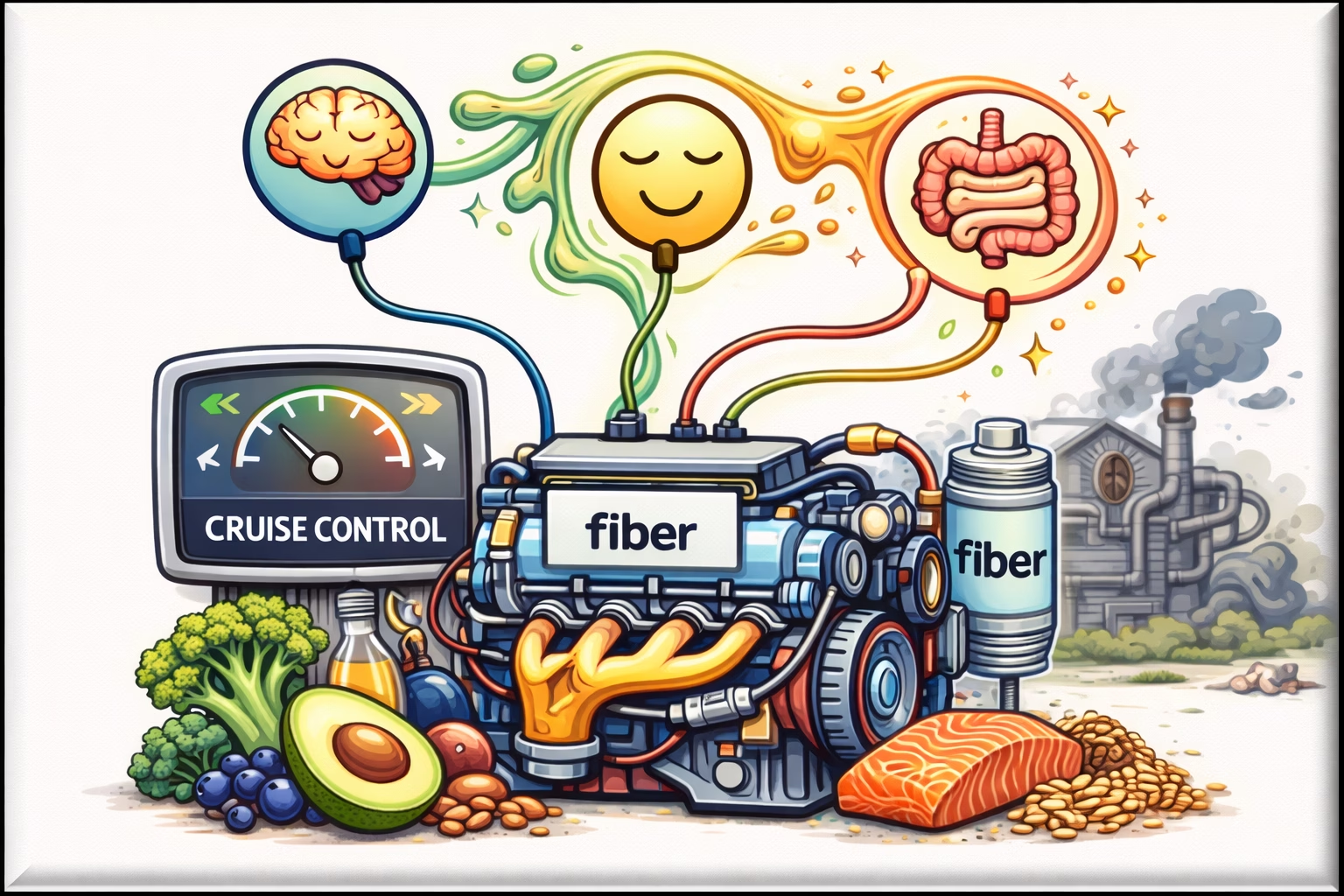
Fiber works like cruise control and a fuel filter. It slows how fast glucose enters the body, preventing sudden spikes and crashes that force the system to overcorrect with stress chemicals.
Water: The Radiator Fluid
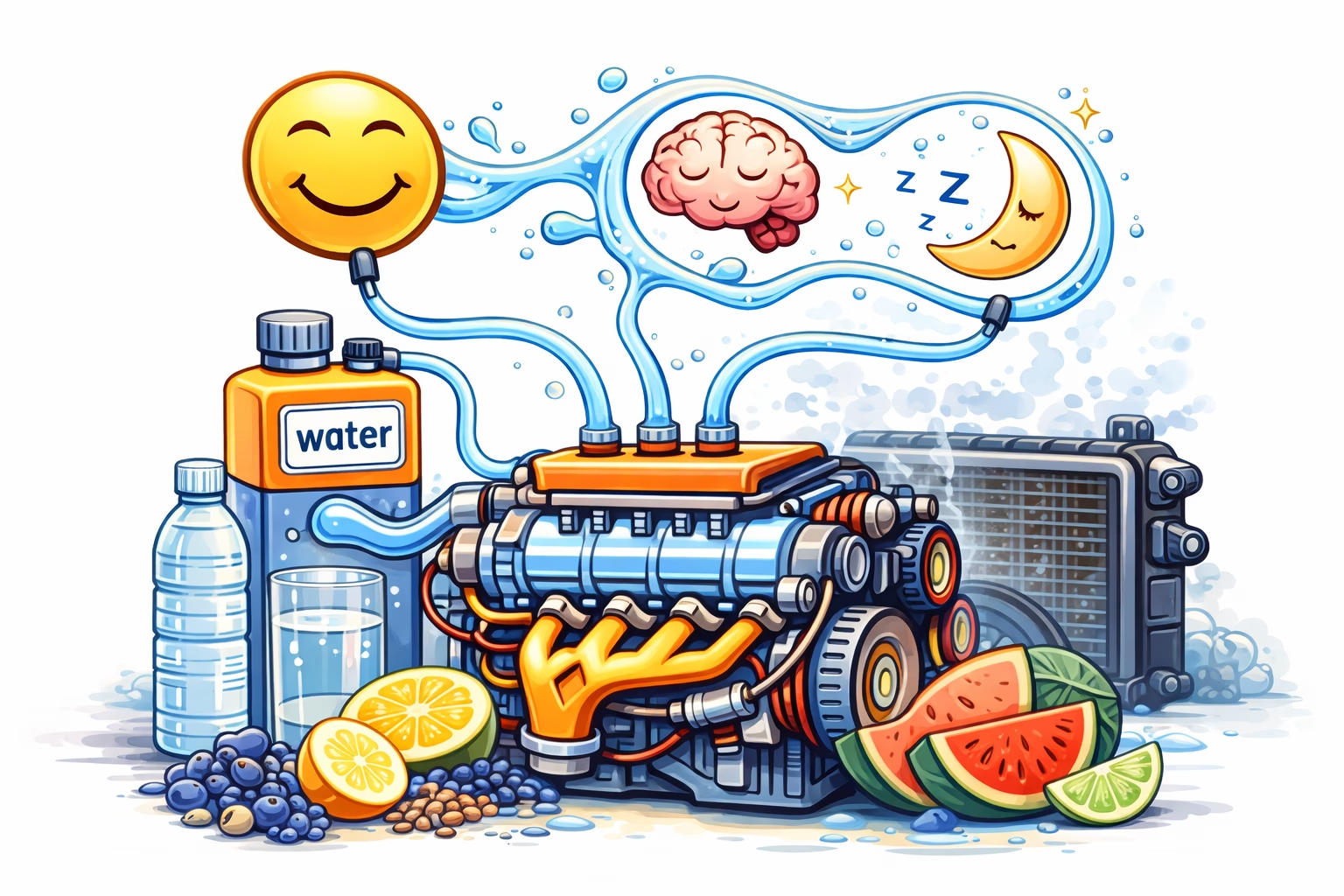
Water is the brain’s cooling system, like radiator fluid in a car. The brain needs water to stay cool, clear out waste, and deliver nutrients. When you are even a little dehydrated, stress chemicals rise, thinking becomes harder, and emotions feel heavier.
What Happens When the Engine Overheats?
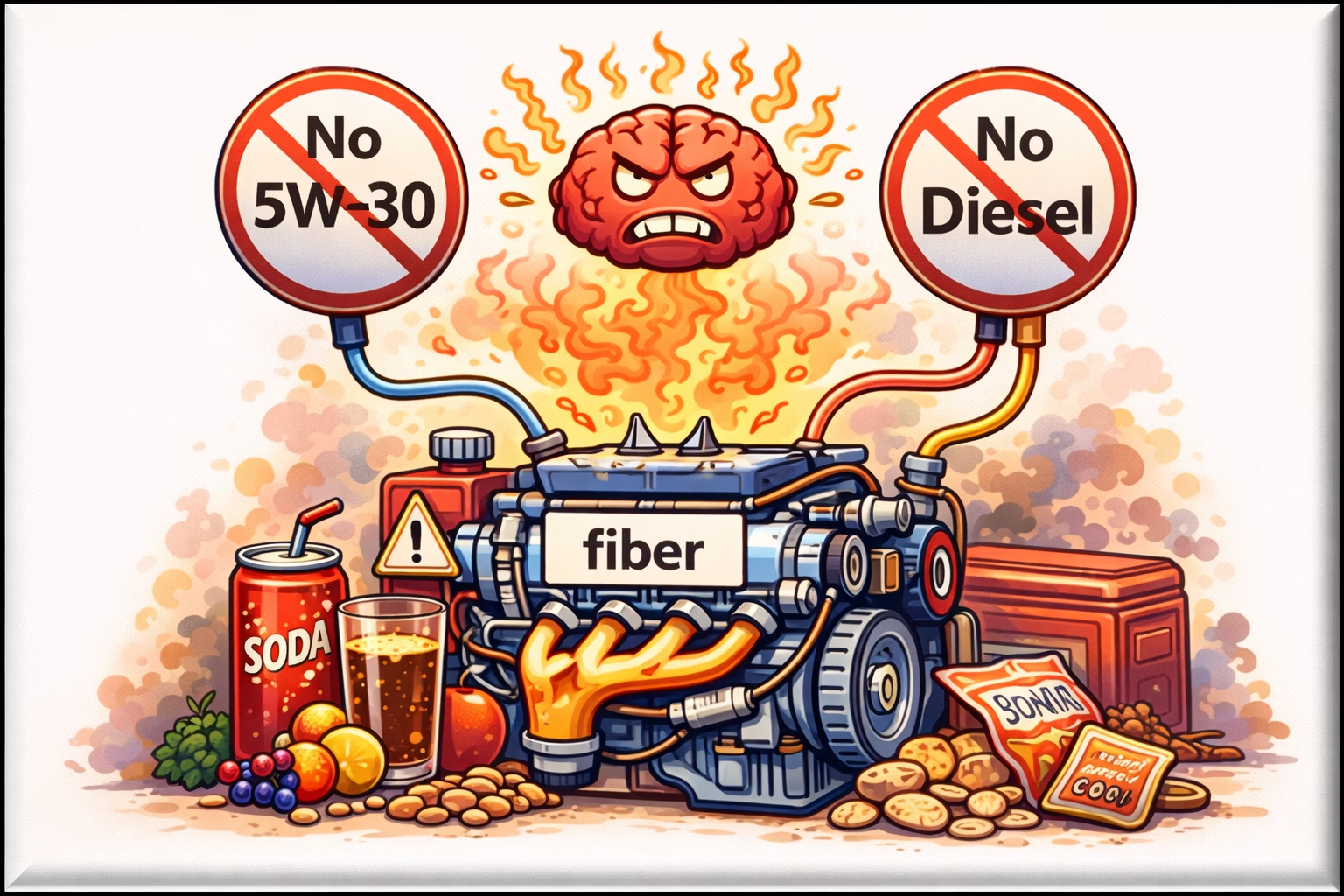
When a person eats a lot of sugary foods, soda, ultra-processed foods, and unhealthy fats, it is like putting the wrong fuel or engine oil into the vehicle. These foods can increase inflammation in the brain, making it harder to cope, control emotions, and sleep well.
But I Never Eat Breakfast Because I Feel Sick
Morning nausea is not just in your head; it is a physical response. It often happens because of:
- Low blood sugar from not eating, skipping dinner, or eating a dinner that lacks healthy protein, carbs, fats, and fiber.
- Poor sleep habits, which can keep the brain in survival mode.
- Eating unhealthy food in the middle of the night, which can disrupt sleep and inflame the brain and body.
- Dehydration, which causes brain cells to function poorly.
- Worry about the day upon awakening, which can disrupt glucose and turn down the digestive system.
- The digestive system is also just rebooting and coming online when we wake up.
When this happens, certain neurochemicals become unbalanced. Neurochemicals are chemical messengers in the brain, like text messages sent between brain cells. Cortisol acts like an alarm system, adrenaline is the emergency boost, and serotonin helps with calm, mood, and appetite. When cortisol and adrenaline are high and serotonin is low, the stomach can feel tight or sick even though the body actually needs food.
How to Make Mornings Easier
- Right when you wake up, get out of bed, relax, stretch, breathe, meditate, and create a calm sense of safety.
- Starting small is key. Even a protein shake, yogurt, toast with eggs, a smoothie, or a banana with peanut butter can help reset the brain.
- Drinking water when you wake up is also important because dehydration makes nausea worse.
- Eating within about an hour of waking helps lower stress hormones and stabilize blood sugar.
Over time, consistency matters most. Going to bed, waking up, and eating three meals at roughly the same times each day helps retrain the brain and body to feel safer and more regulated in the mornings. Below you will find some example food ideas for proper brain fuel.
Menu Options and Meal Ideas
The meals below are designed to support your brain and mental health by giving it steady energy, building blocks for brain messengers, healthy fats to support brain signals, and fiber to keep your energy stable and your nervous system calm.
Breakfast — steady brain fuel to start the day
Lunch — prevent afternoon crashes
Dinner — calming, restorative fuel


Discover more from Self-Reliant Wellness
Subscribe to get the latest posts sent to your email.